Sri Lanka's south coast beach season: month by month, bay by bay
The south coast is the island's winter coast: calm, dry and at its best from December to April. Here is each month for Bentota, Galle, Mirissa and Tangalle, where the sea is safe to swim, and when the whales, the surf and the turtles arrive.
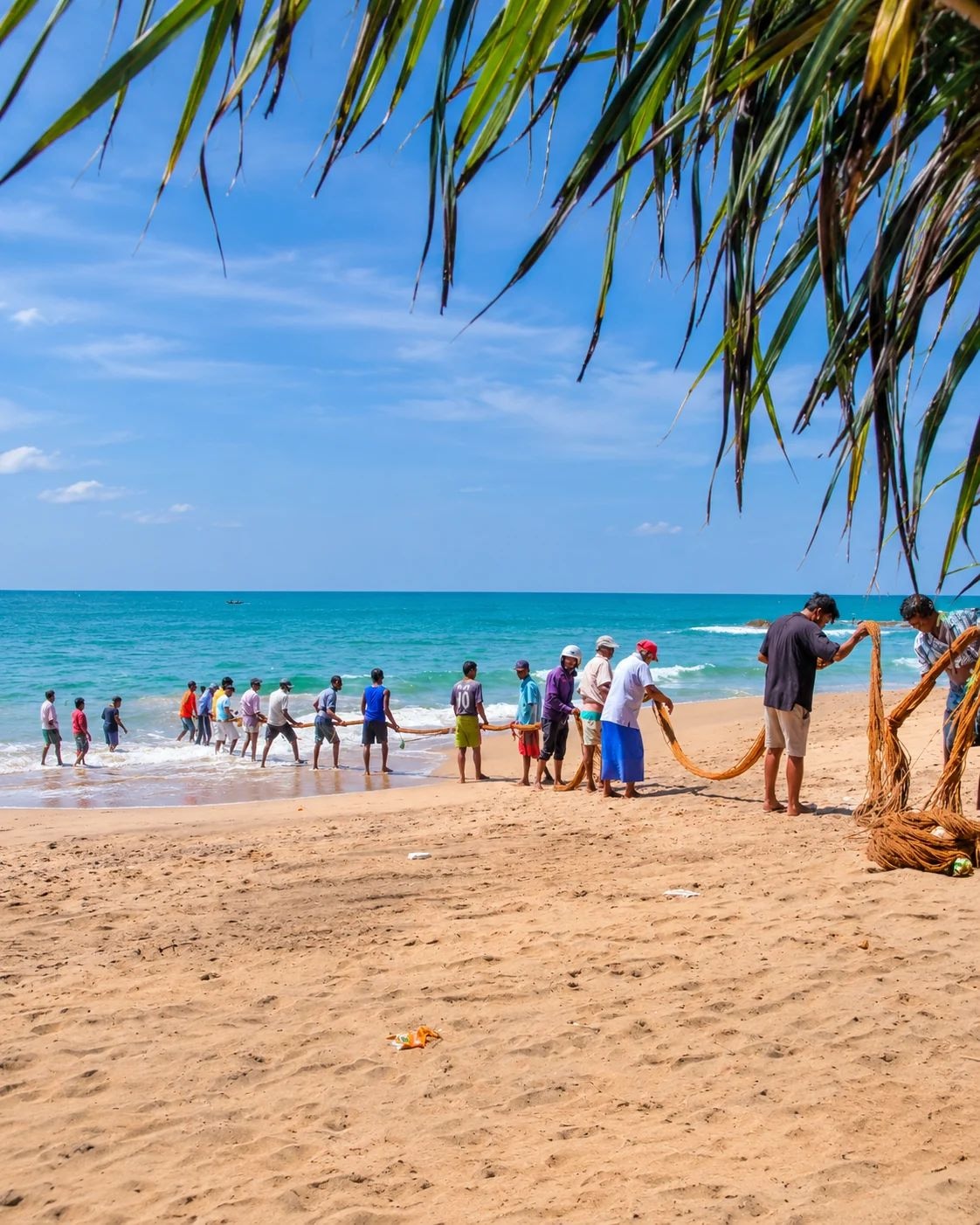
Sri Lanka's south coast beach season runs from December to April, with the calmest seas from January to March. Choose Bentota for an easy start, Galle and Unawatuna for the Fort and sheltered swimming, Mirissa and Weligama for whales and gentle surf, and Tangalle or Hiriketiya for quiet. From May to September, the south-west monsoon makes it the wrong coast.
The south coast is the island's winter coast, and the mirror image of the east. Its bays are close together but not the same: on a windy day, a sheltered cove and an open beach twenty minutes apart can feel like different seasons.
Is the south coast worth it?
Yes, in season, and for most winter trips it is the best way to end a journey round the island.
What the south coast does well
- Calm seas, from December to April, in a string of bays within an hour of each other.
- Whales, off Mirissa, from about November to April.
- Surf for learners, at Weligama, and reef breaks for experienced surfers nearby.
- Galle Fort, a living 17th-century town for evenings away from the beach.
- Easy access: two to three hours from the airport by expressway.
What it does not do well: the months from May to September, quiet over Christmas and New Year, and safe swimming on every beach.
The south coast, month by month
For most travellers, the best months are January to March: dry, calm and easier to book than Christmas. December is excellent but busy in its second half, and April is hot but usually good. For the months from May to September, head to the east coast; see Sri Lanka's east coast beach season.
Four stretches, four characters
Bentota and Beruwala. Technically the west coast, but the first beaches on the drive south: long sands, a river for boat trips, and Geoffrey Bawa's garden at Lunuganga. The most resort-like stretch, and the closest to the airport.
Galle and Unawatuna. Galle Fort for the evenings, and the sheltered bays at Unawatuna and Jungle Beach for swimming; see our Galle Fort guide.
Mirissa and Weligama. The whale boats leave Mirissa harbour at dawn, and Weligama's long bay is one of the best places on the island to learn to surf. We compare the area with Galle in Galle vs Mirissa.
Tangalle and Hiriketiya. Further east and quieter: long, empty beaches around Tangalle, and the small horseshoe bay at Hiriketiya, with gentle waves and a village feel.
The south coast has one season and a dozen bays. Choose the bay for the sea you want.
Where it is safe to swim
The south coast is beautiful, but not every beach is safe for swimming, even in season.
- The most sheltered: Unawatuna and Jungle Beach near Galle, the western corner of Mirissa bay, and Hiriketiya on a calm day.
- Gentle but open: Weligama's long bay, where the waves suit beginners.
- Treat with care: the long, open beaches around Tangalle and parts of Bentota, where strong currents and steep shelving sand can be dangerous even on bright days.
- In every case: follow the flags and lifeguards where there are any, swim close to shore, and never swim after dark or after drinking.
- Early season: in late November and early December, the sea can stay rough after windy nights. Check each morning.
Whales, surf and turtles
Whales. The season off Mirissa runs from about November to April, with the calmest seas and most reliable sightings usually later in the season. Stay in Mirissa the night before; see Mirissa whale watching season.
Surf. The south coast's surf season matches its beach season, from about November to April. Weligama is the place to learn; Midigama and Ahangama have reef and point breaks for experienced surfers; Hiriketiya suits mixed levels. From May to September, the swell is big and messy, and the surf moves to Arugam Bay on the east coast.
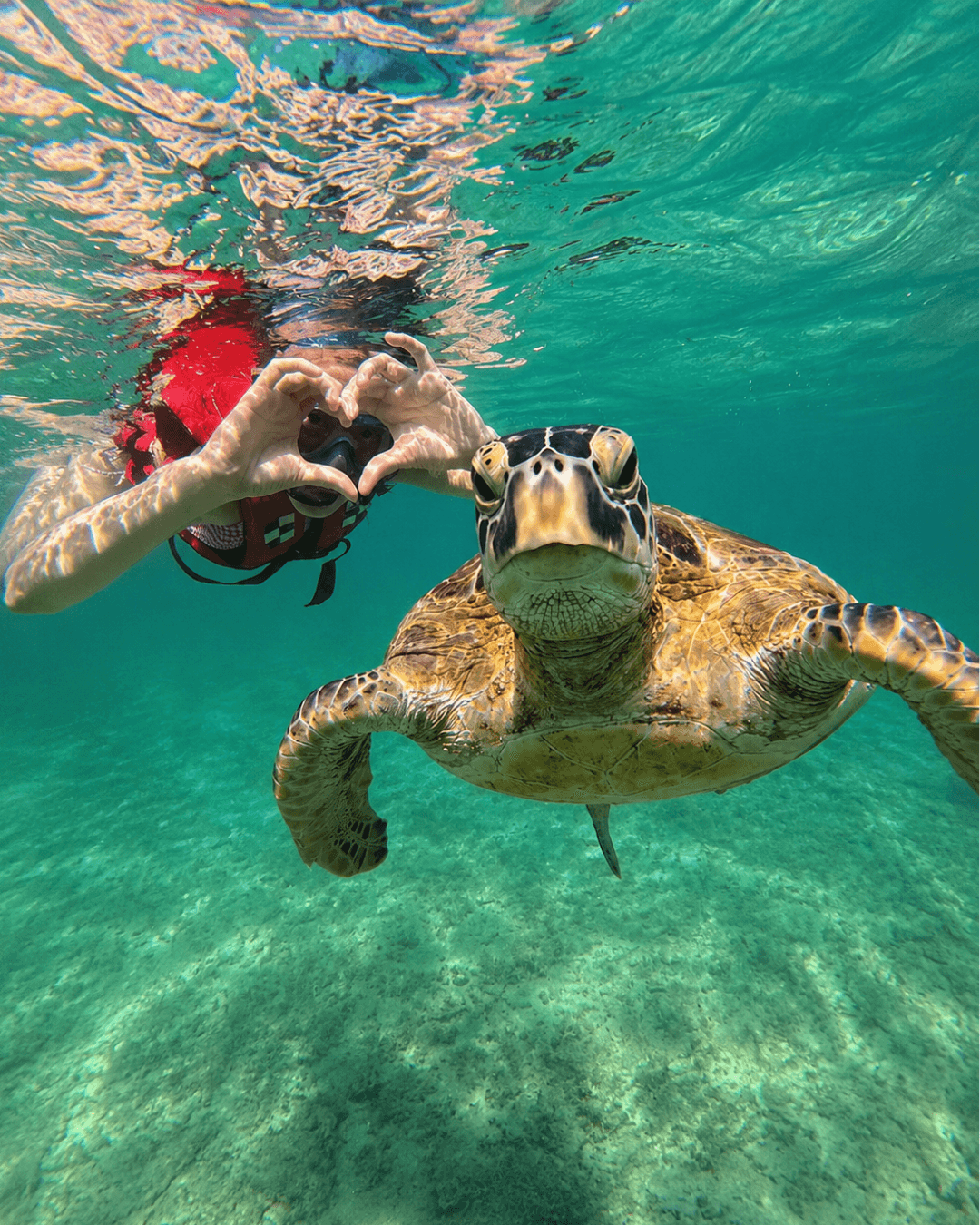
Turtles. Several species nest on the beaches east of Tangalle, especially at Rekawa, where a community conservation project runs guided night watches of turtles coming ashore to lay their eggs. It is a better way to see them than a hatchery.
Getting there
- By road: by the Southern Expressway, about one and a half to two hours from the airport to Bentota, two to two and a half to Galle, two and a half to three to Mirissa, and roughly three to three and a half to Tangalle. See Colombo to Galle and Colombo to Mirissa.
- By train: the coast line runs from Colombo to Bentota, Galle and Weligama and on to Matara, with the sea beside you for long stretches.
- By air: in the winter season, Cinnamon Air flies from the international airport to Koggala, between Galle and Weligama, in about 35 minutes.
The rest of the island in winter
- The Cultural Triangle: showers early in December, usually settled by the middle of the month.
- The hills: clearing through December, and at their clearest from January to March.
- Yala: dry and good for wildlife, though busy over Christmas.
- The east coast and the north: the north-east monsoon's wet season. Save them for the summer; we explain why in Sri Lanka's north-east monsoon.
Dates worth knowing, 2026–27
- From November: the whale and surf seasons begin.
- Wednesday 23 December 2026: Unduvap Full Moon Poya, a public holiday. Alcohol and meat are not sold.
- From around 20 December to early January: the busiest weeks of the year on the south coast; see Sri Lanka at Christmas and New Year.
- January to March: the calmest seas and the most settled weather.
- Sunday 28 March 2027: Easter, with European school holidays either side.
- 13 and 14 April 2027: the Sinhala and Tamil New Year, when Sri Lankan families fill the beaches.
- From May: the south-west monsoon begins, and the boats stop.
A winter route
- 01Nights 1 to 3: the Cultural Triangle, straight from the airport.
- 02Nights 4 to 8: Kandy, tea country and Ella, with the train from Nanu Oya.
- 03Nights 9 and 10: Yala.
- 04Nights 11 to 13: the south coast, in one place: Mirissa for the whales, the coast between Mirissa and Galle for quiet, or Tangalle for space.
This is our Ceylon Icons journey, and the full route is in Sri Lanka in 14 days. It is also how we plan at Siri Siri Lanka Traveller, which Mahinsa founded to pair the privacy and comfort of a private journey with real time to slow down. At the end of a trip, that means one bay, three nights and no more driving.
What to book first
- 01Your south-coast hotel or villa, months ahead for Christmas, New Year and February.
- 02The whale boat, for the morning after you arrive in Mirissa, with a spare morning in case the sea is rough.
- 03Surf lessons, in Weligama or Hiriketiya.
- 04A turtle watch at Rekawa, if you are staying near Tangalle.
- 05A car and driver, or train seats on the coast line.
Who the south coast suits
- Couples and honeymooners, for the bays and Galle Fort's evenings.
- Families, with care over which beaches to swim at.
- Learner surfers, at Weligama and Hiriketiya.
- Whale watchers, from November to April.
- Anyone ending a winter trip, two to three hours from the airport.
Less suited: travellers between May and September, those who want quiet over Christmas, and strong swimmers who ignore the flags.
If the south coast is on your route, tell us your dates and what kind of sea you like. We will choose the bay, time the whale boat for a calm morning, and make the last days of your trip the slowest. Plan my Sri Lanka trip.
Last checked 31 October 2026.
Author @Mahinsa Hennakgedara
Discussion
Your turn — been there, or heading there?
Questions
What people ask us
From December to April, with the calmest seas and most settled weather from January to March. December is excellent but very busy in its second half. From May to September, the south-west monsoon brings rough seas and rain, and the east coast is the better choice.
It depends on what you want. Galle and Unawatuna suit those who want the Fort and sheltered swimming; Mirissa and Weligama suit whale watchers and learner surfers; Tangalle and Hiriketiya suit those who want quiet. Bentota has the shortest drive from the airport.
In season, at the right beaches. The most sheltered are Unawatuna, Jungle Beach and the western end of Mirissa bay. The long, open beaches around Tangalle and parts of Bentota can have strong currents even on calm days. Always follow the flags and swim close to shore.
From about November to April, matching the beach season. Weligama is one of the best places on the island to learn, Midigama and Ahangama suit experienced surfers, and Hiriketiya suits mixed levels. From May to September, the surf moves to Arugam Bay on the east coast.
Not for a beach holiday. From May to September, the southwest monsoon brings rain, strong winds and rough seas, and the whale boats stop. Galle Fort still makes a good night's stop, but for beaches in summer, go to the east coast.
Journeys
Where this turns into a trip
Each is private and fully adjustable — a shape to start from rather than a package.
Places
Mentioned in this piece
Keep reading
More from the journal
Beaches5 min read
Sri Lanka's east coast beach season: month by month, beach by beach
The east coast is the island's summer coast: dry, calm and quiet when the south-west is wet. Here is each month for Trincomalee, Pasikudah and Arugam Bay, what else the coast offers, and how to fit it into a summer trip.
Beaches5 min read
Trincomalee in December: what the monsoon changes, what still works, and where to go instead
December is Trincomalee's wet season: heavy rain, rough seas, Pigeon Island closed and the whales months away. The temples and the old fort still reward a visit, but for beaches this month, the south coast is the place. Here is the honest picture.
Sri Lanka Travel Guide6 min read
Galle Fort travel guide: a walk round the walls, the lanes inside, and why you should stay the night
Galle Fort is a living 17th-century town inside sea walls, free to enter and best seen slowly. Here is a walk round the ramparts, the lanes worth wandering, what costs money and what does not, and why the Fort only makes sense after the day visitors leave.
When you are ready
Turn this into a journey.
Tell us roughly when you want to travel and what matters to you, and we will come back with a considered outline.