Sri Lanka's east coast beach season: month by month, beach by beach
The east coast is the island's summer coast: dry, calm and quiet when the south-west is wet. Here is each month for Trincomalee, Pasikudah and Arugam Bay, what else the coast offers, and how to fit it into a summer trip.
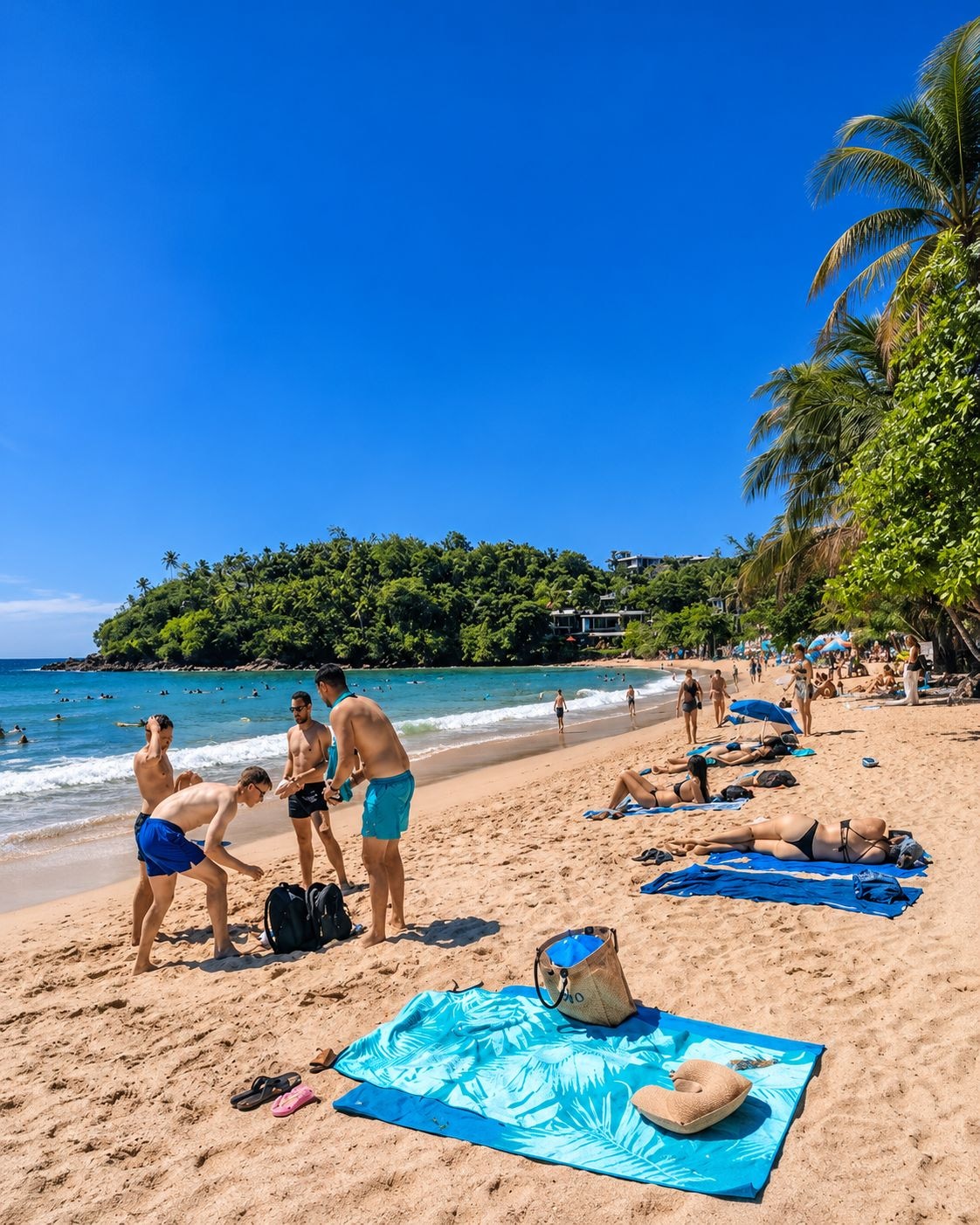
Sri Lanka's east coast beach season runs from about April to September, with the calmest seas and driest days from May to September. Trincomalee and Nilaveli are best for swimming and Pigeon Island, Pasikudah for shallow, gentle water, and Arugam Bay for surf. From November to January, the north-east monsoon makes it the wrong coast.
The east coast is the island's summer coast: when the south-west is wet, the east is dry, calm and quiet. The common planning mistake is assuming its three great bases are interchangeable. They share a season, but not a sea.
Is the east coast worth it?
Yes, in season, and it is the best reason to visit Sri Lanka between May and September.
What the east coast does well
- Calm, clear water. Shallow, swimmable bays at Nilaveli, Uppuveli and Pasikudah.
- Pigeon Island. Easy snorkelling over coral, a short boat ride from Nilaveli.
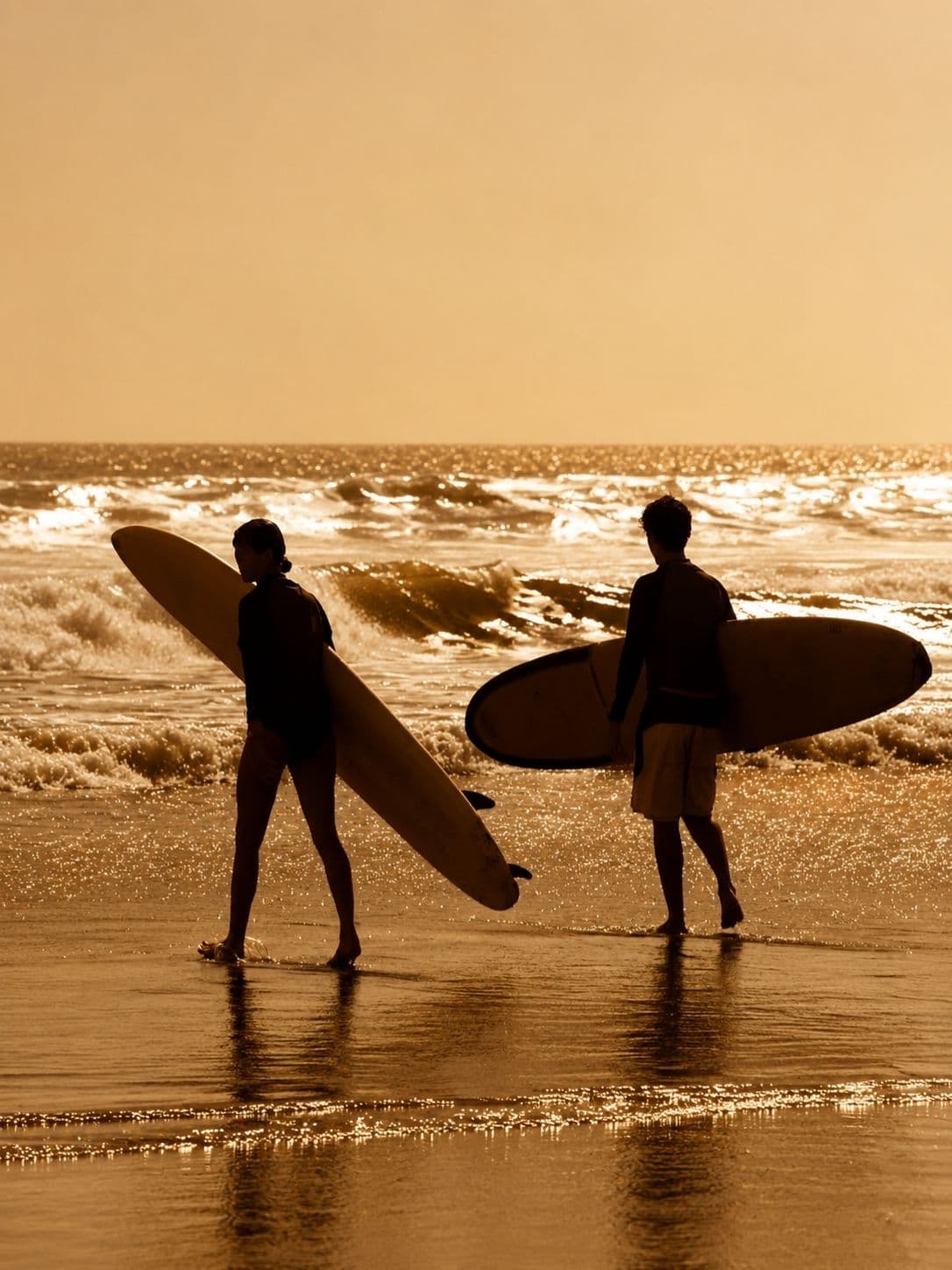
- Surf. Arugam Bay's point break, among the best in South Asia, from June to September.
- Whales. Trincomalee's own season, roughly from March to August.
- Space. Fewer visitors than the south coast in winter, and a slower pace.
What it does not do well: the months from November to January, nightlife outside Arugam Bay, and quick trips from Colombo.
The east coast, month by month
For most travellers, the sweet spot is June, July and September: reliable weather and calm water, without the August crowds. May is excellent for the east coast before it fills. March and April suit Trincomalee and Pasikudah well, before Arugam Bay's surf arrives.
Three bases, three seas
Trincomalee, Nilaveli and Uppuveli. A harbour town with long beaches to its north, calm and clear in season. Snorkel at Pigeon Island, watch whales from about March to August, and see Koneswaram temple at dusk. The best base for families and anyone who wants to swim.
Pasikudah. A wide, shallow bay north of Batticaloa, protected by a reef, where you can wade far out in warm water barely deeper than your waist. The gentlest sea on the island, and the most resort-like stretch of the east coast.
Arugam Bay. A surf village built around a long right-hand point break, with more breaks along the coast within a short drive. Lively in season, quiet out of it, with Kumana National Park and the Pottuvil lagoon nearby.
We compare the two most popular bases in Trincomalee vs Arugam Bay.
The east coast has one season and three seas. Choose the sea first, and the base follows.
Beyond the beach
- Pigeon Island National Park. Coral, turtles and small reef sharks, about ten minutes by boat from Nilaveli. It closes in the north-east monsoon and reopens as the sea calms, usually from around March.
- Whale watching off Trincomalee. Blue whales and dolphins, roughly from March to August, close to shore over a deep canyon offshore.
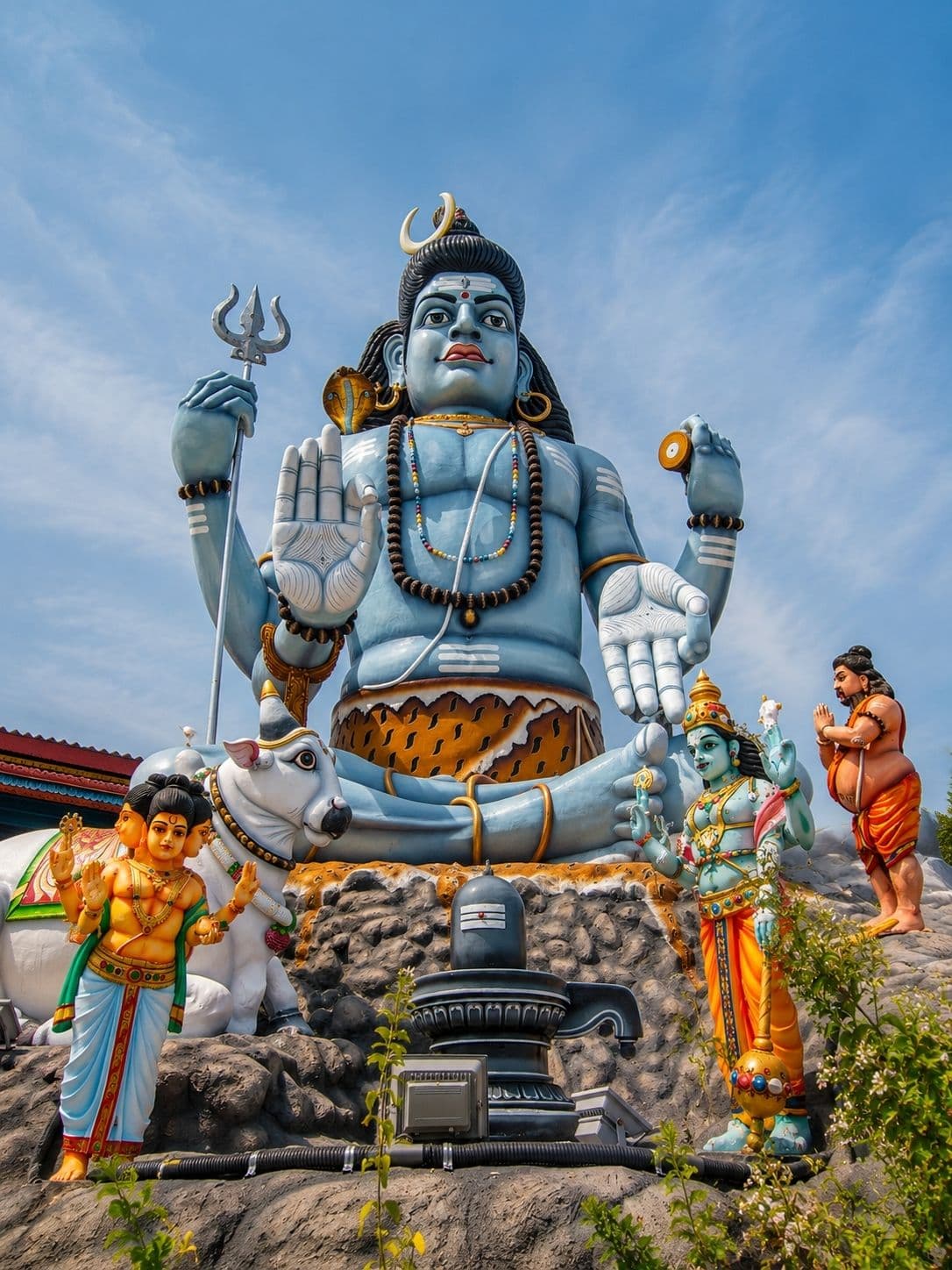
- Koneswaram and Fort Frederick. The clifftop Hindu temple above Trincomalee and the old fort beneath it.
- Kumana National Park. South of Arugam Bay, quieter than Yala, with leopards, elephants and great numbers of birds, best from May to September.
- The lagoons. Slow boats at Pottuvil near Arugam Bay, and on the Batticaloa lagoon near Pasikudah.
Getting there
- Trincomalee: a daily Cinnamon Air flight from the international airport, about 45 minutes; the Night Mail train every night; or about two to two and a half hours by road from Sigiriya. See Colombo to Trincomalee.
- Pasikudah: in the summer season, Cinnamon Air flies to Batticaloa, under an hour from the international airport and a short drive from the bay. By road, it is roughly two hours from Polonnaruwa.
- Arugam Bay: no train and no scheduled flight. Come down from Ella, three to four hours, or break the long drive from Colombo; see Colombo to Arugam Bay.
The rest of the island in summer
Few people come to the east coast alone, so it helps to know what the rest of Sri Lanka is doing in the same months.
- The Cultural Triangle: dry and hot, with the elephant gathering at Minneriya at its peak in August and September.
- The hills: Ella, on the eastern side, is usually drier; Nuwara Eliya, on the western side, is often cloudy.
- Yala: dry and good for wildlife, though its busiest blocks may close for drought in September and October.
- The south-west coast: the monsoon season, with rough seas and rain. Galle Fort is still worth a night for the town.
We cover the season across the island in Sri Lanka in September.
Dates worth knowing, summer 2027
- Around Monday 17 May: Eid al-Adha, celebrated by the east coast's large Muslim communities.
- Wednesday 19 May: Vesak, with lanterns and pilgrims across the island.
- Friday 18 June: Poson Full Moon Poya, with pilgrims at Mihintale near Anuradhapura.
- Sunday 18 July: Esala Full Moon Poya, around which the Kataragama festival draws pilgrims, some walking through Kumana on the way.
- July and August: the busiest weeks on the east coast, and Kandy's Esala Perahera, on dates set by the temple.
- August and September: the elephant gathering at Minneriya.
A summer route
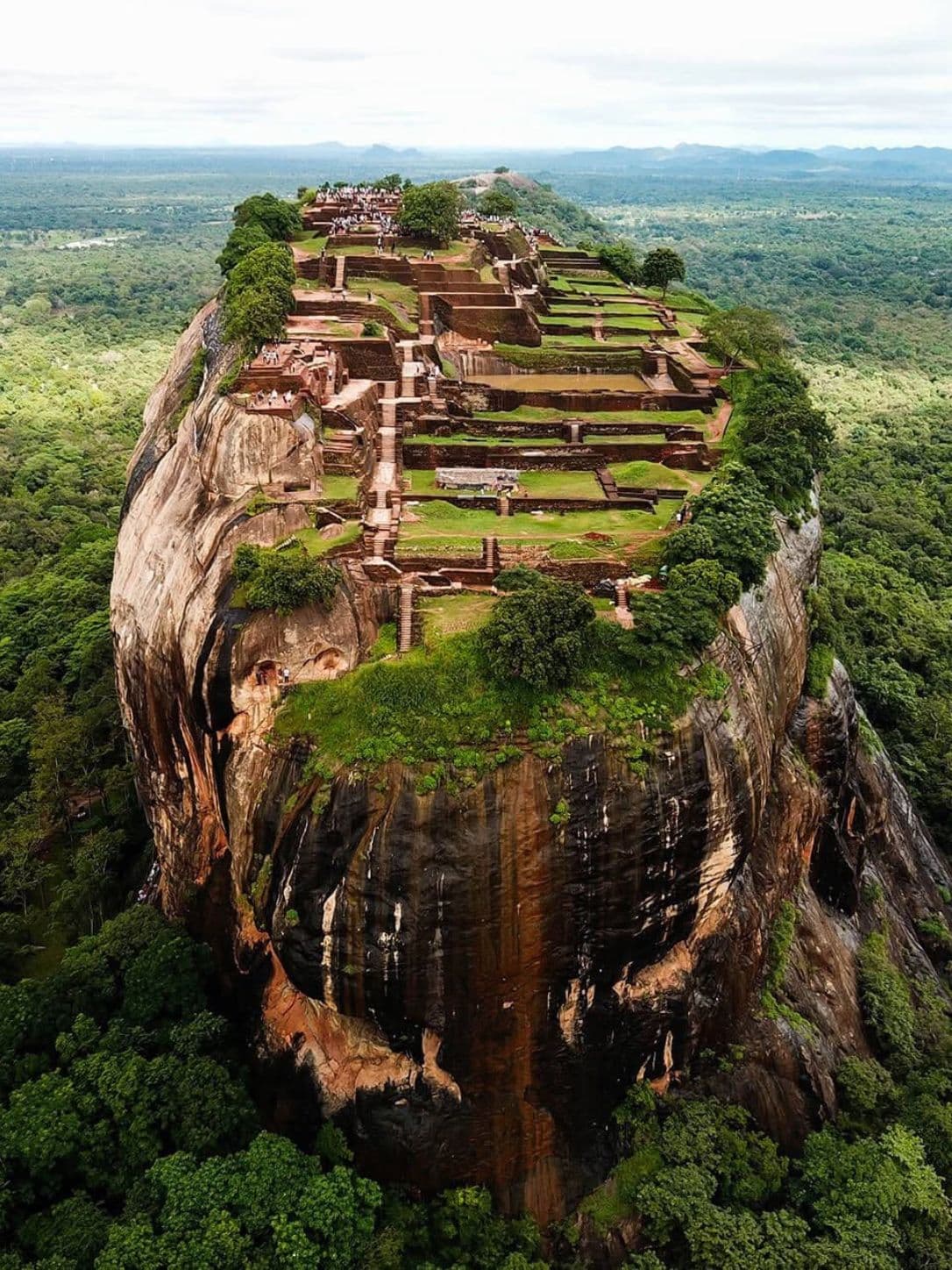
- 01Nights 1 to 3: the Cultural Triangle. Sigiriya, Polonnaruwa and the elephants at Minneriya.
- 02Nights 4 to 6: Trincomalee. Nilaveli or Uppuveli, Pigeon Island and the whale boats.
- 03Night 7: Kandy.
- 04Nights 8 and 9: tea country, and the train from Nanu Oya to Ella.
- 05Night 10: Ella.
- 06Nights 11 to 13: Arugam Bay, for surf, or more nights in Trincomalee for calm water.
This is the summer version of our Sri Lanka in 14 days route, and our Ceylon Icons journey turned to face east. It is also how we plan at Siri Siri Lanka Traveller, which Mahinsa founded to pair the privacy and comfort of a private journey with real time to slow down. In summer, that means the calm side of the island, and enough nights to enjoy it.
What to book first
- 01Your east-coast hotel, months ahead for July and August.
- 02The flight to Trincomalee or Batticaloa, if you are using one, since seats are few.
- 03A car and driver for the whole route.
- 04Pigeon Island and the whale boats, for calm mornings early in your stay.
- 05Surf lessons or a surf guide, in Arugam Bay.
Who the east coast suits
- Families, for the shallow water at Pasikudah and Nilaveli.
- Snorkellers and whale watchers, at Trincomalee.
- Surfers, at Arugam Bay from June to September.
- Anyone travelling between May and September, when the south-west is wet.
Less suited: travellers between November and January, those who want a busy restaurant scene, and anyone looking for a quick beach close to Colombo.
If you are planning a summer trip, tell us your dates and which sea suits you. We will choose the base, time the boats for the calm mornings, and build the rest of the island around it. Plan my Sri Lanka trip.
Last checked 30 October 2026.
Author @Mahinsa Hennakgedara
Discussion
Your turn — been there, or heading there?
Questions
What people ask us
The most reliable period is usually May to September, with June to September often giving the best balance of beach weather, calmer sea conditions and easier travel. If your main goal is swimming, snorkelling or surf, plan the east coast for those months rather than for the north-east monsoon period.
No. Arugam Bay is primarily a surf town with a social, seasonal feel, while Trincomalee and nearby Nilaveli are better for classic beach stays, snorkelling and calmer water. They are both on the east coast, but they suit different types of traveller.
Yes, but it works best if you have at least a week and do not mind a longer road journey between bases. If your trip is shorter, it is usually better to choose one and stay longer. Otherwise you can lose too much time to transfers.
It can be travelable, but it is not the strongest season for a beach-focused trip. Weather becomes less predictable, and sea conditions can be less reliable. If your dates are fixed in those months, it is usually safer to look at the south-west coast instead.
Journeys
Where this turns into a trip
Each is private and fully adjustable — a shape to start from rather than a package.
Places
Mentioned in this piece

Keep reading
More from the journal
Beaches6 min read
Sri Lanka's south coast beach season: month by month, bay by bay
The south coast is the island's winter coast: calm, dry and at its best from December to April. Here is each month for Bentota, Galle, Mirissa and Tangalle, where the sea is safe to swim, and when the whales, the surf and the turtles arrive.
Beaches5 min read
Trincomalee in December: what the monsoon changes, what still works, and where to go instead
December is Trincomalee's wet season: heavy rain, rough seas, Pigeon Island closed and the whales months away. The temples and the old fort still reward a visit, but for beaches this month, the south coast is the place. Here is the honest picture.
Sri Lanka Travel Guide6 min read
Galle Fort travel guide: a walk round the walls, the lanes inside, and why you should stay the night
Galle Fort is a living 17th-century town inside sea walls, free to enter and best seen slowly. Here is a walk round the ramparts, the lanes worth wandering, what costs money and what does not, and why the Fort only makes sense after the day visitors leave.
When you are ready
Turn this into a journey.
Tell us roughly when you want to travel and what matters to you, and we will come back with a considered outline.